


Eating Out with Histamine Intolerance or Mast Cell Issues: A Practical Guide to Enjoying Restaurants

For many people living with histamine intolerance or mast cell activation syndrome (MCAS), eating out can feel overwhelming.
You scan the menu looking for something safe. You wonder how fresh the ingredients are. You debate whether the meal is worth the potential reaction. And sometimes, the stress of the experience feels almost as challenging as the food itself.
If you've ever felt this way, you're not alone.
The good news is that eating out doesn't have to be an all-or-nothing experience. The goal isn't perfection. The goal is reducing your overall histamine load, supporting your body as best you can, and still participating in the moments that make life meaningful.
Because eating out is about more than food. It’s about celebrating birthdays, catching up with friends, sharing laughter, connecting with family, and enjoying experiences that nourish us in ways that go far beyond what's on our plate.
Let's look at some practical ways to make dining out with MCAS or histamine issues feel a little easier.
Start by Reframing the Goal

When symptoms are unpredictable, it's easy to approach restaurants with a mindset of avoidance and fear.
But what if the goal wasn't to have the "perfect" meal?
What if the goal was simply to lower risk, support your body, and enjoy the experience?
What if the goal included connecting with loved ones, in a celebratory environment?
One of the most overlooked mast cell triggers is stress itself. Worrying about every ingredient, every bite, and every possible outcome can keep your nervous system on high alert before you've even sat down at the table.
This doesn't mean you should ignore your body's needs. It simply means that your mindset matters too.
Prepare Before You Leave Home
One of the easiest ways to make restaurant meals more manageable is to support your body before you ever walk through the door.
Don't Arrive Starving
When we're overly hungry, we tend to make decisions from a place of urgency instead of intention.
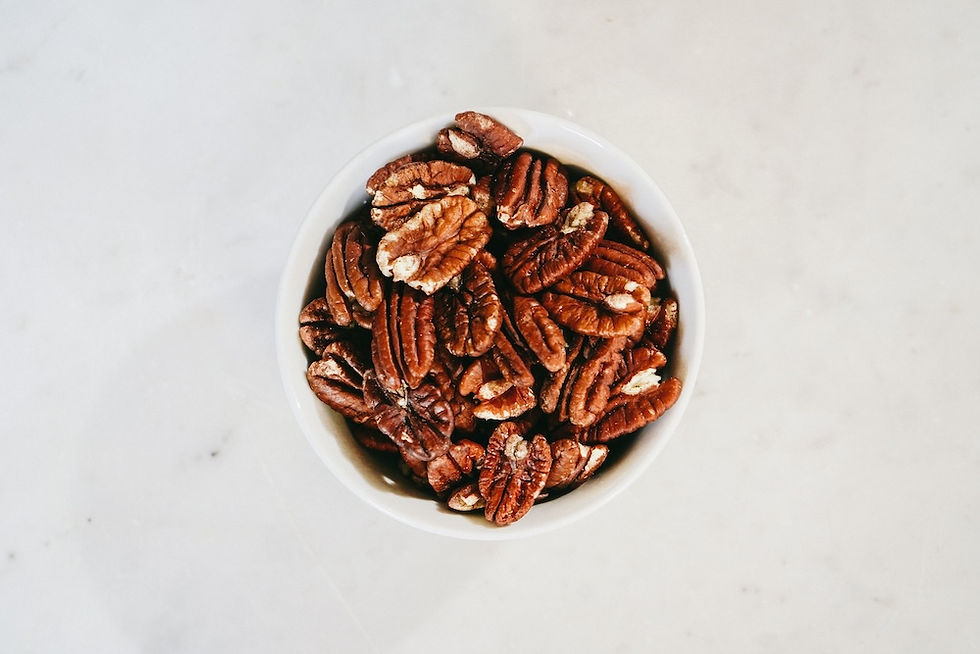
Having a small snack before leaving can help stabilize things. A combination of protein and healthy fats often works well because it helps maintain more stable energy levels and can prevent the "eat whatever is available" feeling once you arrive. Munch on a handful of macadamia nuts or pecans, or nosh on some carrot sticks before you step out the door.
Consider Your Usual Support Supplements
Many people find it helpful to take a DAO supplement before a restaurant meal.
If you're planning to eat something that carries a little more risk than your typical meals, some practitioners may recommend taking an extra DAO capsule or two. Likewise, if quercetin is part of your regular routine and you tolerate it well, some people choose to increase their dose around restaurant meals.
The key is sticking with strategies you already know work for your body.
Restaurant days are not the time to experiment with new supplements, foods, or protocols.
Preparation works best when it's proactive rather than reactive.
Choosing the Right Restaurant
Not all restaurants are created equal when it comes to histamine and mast cell issues.
Smaller Restaurants Often Have Advantages
Many people find that smaller local restaurants are easier to navigate than large chain establishments.
Local restaurants may use fresher ingredients, prepare food in smaller batches, and often have more flexibility when accommodating special requests.
A chef who is preparing meals from scratch may be better able to simplify a dish than a restaurant that relies heavily on pre-made ingredients.
Be Cautious with Buffets and Hot Bars
Buffets can be particularly challenging because histamine naturally accumulates in food over time.
The longer food sits, the greater the potential for histamine levels to increase. If you're attending an event with a buffet, consider asking whether the kitchen can prepare a simple fresh meal separately. You don't need to explain histamine metabolism in detail. Simply saying you're concerned about food freshness is often enough.

Earlier Dining Can Sometimes Help
While every restaurant operates differently, earlier dining times may occasionally increase the likelihood of receiving freshly prepared food.
It's not a guarantee, but it's one more tool you can keep in your back pocket.
Ordering Strategies That Can Make a Big Difference
When it comes to eating out with histamine or mast cell issues, simplicity is often your best friend.
Think À La Carte
One of the most effective restaurant strategies is ordering à la carte whenever possible.
Rather than selecting a fully assembled dish with multiple ingredients, ask for individual components.

This gives you greater control over both ingredients and preparation methods. A simple plate of grilled chicken and vegetables may not sound exciting on paper, but it can dramatically reduce the number of unknown variables. Even if it's not on the menu, most restaurants are able to prepare this for you.
Don't Be Afraid to Mention an Allergy
Many people find that restaurant staff take requests more seriously when food allergies are mentioned.
Even if your symptoms stem from histamine intolerance or mast cell activation rather than a traditional IgE-mediated allergy, clearly communicating that certain foods cause significant reactions can help ensure your requests receive appropriate attention.

Keep Protein Simple
Look for simply prepared proteins whenever possible.
Options that are grilled, baked, or freshly cooked are often easier to navigate than dishes that have been marinated, breaded, heavily seasoned, or covered in sauce.
Chicken can sometimes be a useful option because restaurants often cook it more frequently throughout the day, making it a fresher option. You can always ask questions about preparation methods if you're unsure.
Watch Out for Spicy Dishes
Spicy foods can be a trigger for some people with histamine intolerance or mast cell activation because hot peppers and certain spices may stimulate mast cells to release chemicals and contribute to symptoms.
That doesn't necessarily mean you have to avoid a dish that sounds appealing.
If a menu item contains chili peppers, curry, hot sauces, or spicy seasonings, ask whether it can be prepared without them. Many restaurants are happy to adjust spice levels or leave certain ingredients out altogether.
Don't be afraid to customize. A dish that looks off-limits at first glance may become a much better option with a few simple modifications.
The goal isn't finding the perfect meal; it's finding the version of the meal that works best for your body.

Choose Vegetable Sides
Instead of automatically accepting the standard sides, consider asking for low histamine vegetables. Cauliflower, carrots or broccoli are commonly available.
Steamed vegetables, roasted vegetables, or simple salads often provide more flexibility than heavily seasoned side dishes.

Bring Your Own Backup
If everyone else is sharing a bread basket and you know that won't work for you, consider bringing a small container of nuts or seeds that you tolerate well.
Having something available can help you feel included without feeling deprived.
Be Strategic with Salads
Salads can be wonderful, or surprisingly problematic.
A few helpful strategies include:
Ask for dressing on the side, or request just olive oil.
Pack your own dressing. Our cookbook has some lovely options to choose from.
Avoid spinach-heavy salads if spinach is a trigger for you.
Request that tomatoes be omitted if they don't work well for your body.
Don't hesitate to customize.
Keep Higher Histamine Foods Separate
If a dish arrives with ingredients you're uncertain about, consider leaving them on the side of the plate rather than mixing everything together.
This gives you more flexibility and helps reduce your overall exposure if needed.
Take a Moment Before You Eat

Once your meal arrives, it can be tempting to dive right in, especially if you're hungry or feeling relieved that you've found something that works for you.
Instead, consider taking a brief pause before your first bite.
Closing your eyes and taking a few slow, deep breaths can help shift your body out of a stress response and into a more relaxed state. For people with histamine or mast cell issues, this can be particularly helpful, as stress itself can be a trigger for symptoms and mast cell activation.
You don't need a lengthy meditation. Even 30 seconds of slowing down, breathing deeply, and expressing a little gratitude for the meal in front of you can help signal safety to your nervous system.
Think of it as one more way to support your body before asking it to digest and process the meal.
What About Drinks and Dessert?
These can sometimes be the trickiest parts of the meal.
Drinks
Alcohol is a common mast cell trigger and histamine liberator, which means that for many people with histamine intolerance or mast cell issues, it can significantly increase symptoms.
Social situations can make this particularly challenging. There can be a lot of pressure to "just have one drink", especially during celebrations, dinners out, or gatherings with friends. You may even feel uncomfortable being the only person at the table not drinking.
Remember that you never need to justify your choice to protect your health.

Sparkling mineral water, Perrier, or still water can be excellent alternatives that still feel special and celebratory. What if you combined some sparkling mineral water with a splash of cranberry juice? Ordering your drink in a wine glass or choosing a mocktail (if the ingredients work for you) can also help you feel included in the experience.
Most importantly, remind yourself that you're there for the people and the connection, not the alcohol. You don't need alcohol to participate, celebrate, or belong.
Dessert
Dessert doesn't have to be all-or-nothing either. Some people do well with a simple fruit bowl featuring lower-histamine fruits. Blueberries, cantaloupe, honeydew melon, apple slices…
Others may choose to skip dessert altogether.
Neither choice is right or wrong.
The goal is finding what allows you to enjoy the evening while supporting your body.
Add Flavour Without Adding Stress
One challenge of ordering simply is that food can sometimes feel bland.
If you tolerate them well, consider bringing small amounts of homemade pesto, chimichurri, or another favourite condiment when appropriate. (We have recipes in our cookbook.)
Simple food doesn't have to be boring.
A little familiar flavour can make a restaurant meal feel far more satisfying.
Don't Forget the Emotional Side
Living with histamine intolerance or mast cell activation often means navigating situations differently than the people around you.
That can sometimes bring up frustration, sadness, or even grief. If those feelings arise, acknowledge them. It's completely normal.
Then gently remind yourself that caring for your health is not a punishment. It's an act of self-respect.

Your way of eating isn't about restriction.
It's about creating more freedom, more stability, and more opportunities to fully participate in your life.
A Final Thought
If there's one thing to remember, it's this:
One restaurant meal does not define your healing journey.
One reaction does not erase your progress.
And one imperfect choice is not a failure.
Gather information. Learn what works for your body. Make adjustments when needed.
Most importantly, remember why you went out in the first place. Focus on the conversation. Focus on the connection. Focus on the people around the table.
Do the best you can with the information you have, then let the rest go. Bless the food, enjoy the people around you, and acknowledge the joy in socializing.

Ready to Go Beyond Managing Symptoms?
Learning how to navigate restaurants, family gatherings, and social situations can make a huge difference when you're dealing with histamine intolerance or mast cell issues.
But if you're finding yourself constantly managing food, avoiding triggers, and planning your life around symptoms, it's worth asking an important question:
What if the low histamine diet isn't enough?
Many people spend months, or even years, trying to feel better by removing more foods, avoiding more situations, and searching for the perfect supplement. Yet symptoms continue to return because the underlying factors driving histamine overload and mast cell activation haven't been addressed.

If you want to better understand:
The root factors contributing to histamine intolerance
How mast cell activation fits into the picture
Why symptom management alone often isn't enough
The step-by-step approach to supporting your body in the right order
Join us for our upcoming The Histamine Connection webinar.
You'll discover how to move from confusion, fear, and restriction to a more structured approach that helps you understand what to focus on - and what to stop chasing.


Comments