


Increasing Fibre on a Low-Histamine Diet (Without Ferments or Flare-Ups)
- histaminehavenmave
- Mar 9
- 7 min read
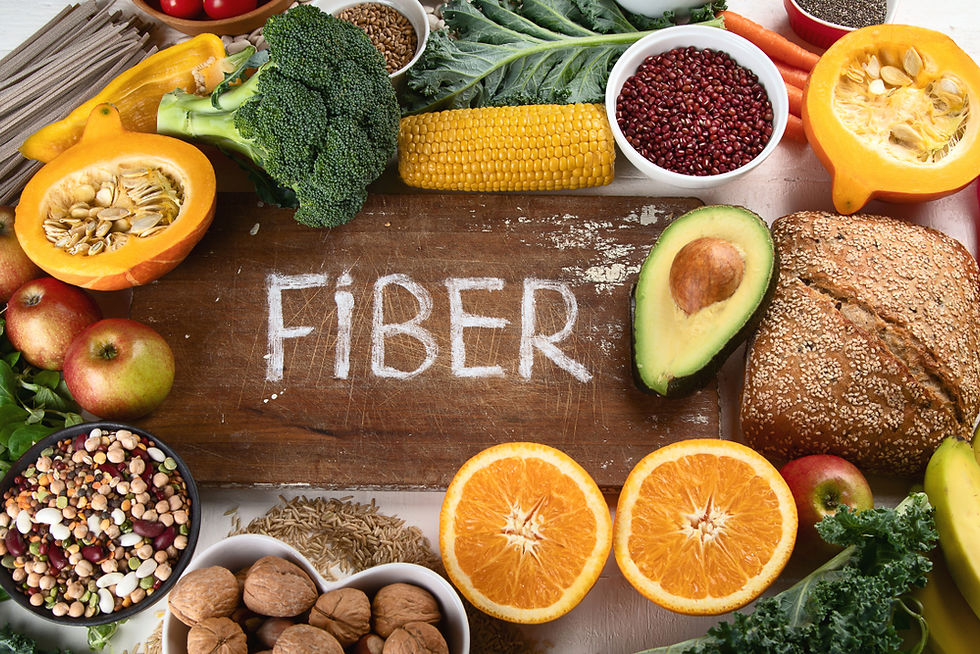
If you’ve spent any time online lately, you’ve probably seen the phrase “fiber maxxing.” The idea is simple: eat more fibre for better digestion, metabolic health, and gut diversity.
For some people with histamine intolerance or mast cell activation issues, though, this trend can feel… complicated.
Many of the foods commonly promoted for fibre, like fermented vegetables, large raw salads, or a bowl of whole grains and legumes are exactly the things that can trigger digestive symptoms, histamine release, and flares.
At Histamine Haven, we take a different approach.
This is fibre maxxing without ferments, leftovers, or flare-ups. It’s designed for sensitive guts, reactive mast cells, and overwhelmed nervous systems.
Why Fibre Can Feel So Hard With Histamine or MCAS
Fibre itself isn’t the enemy. But how and how fast it’s added matters, especially when digestive symptoms are already part of the picture.

Common issues we see when fibre is increased too quickly include:
When the gut lining is irritated or the nervous system is already on high alert, large amounts of fibre, especially rough, insoluble fibre, can mechanically irritate the gut and stimulate mast cells.
That’s why simply being told to “eat more plants” often backfires.
The solution isn’t more fibre all at once.
It’s smarter fibre.
Why Regular Bowel Movements Matter (Especially With Histamine Issues)

When we talk about fibre, we’re not just talking about what you eat, we’re also talking about what your body is able to move out.
Regular bowel movements are one of the clearest signs of healthy bowel motility. In simple terms, this means food is moving through your digestive tract at a steady, comfortable pace.
This matters for histamine and mast cell–sensitive bodies because your body uses bile (released from the liver and gallbladder) to help eliminate waste products, excess hormones, and toxins. Those substances are meant to leave the body in your stool.
If bowel movements are infrequent, sluggish, or incomplete, those compounds can sit in the gut longer than intended, and some may be reabsorbed. For sensitive systems, that extra burden can contribute to symptoms like bloating, migraines, skin reactions, or a general feeling of being unwell.

What Healthy Stools Look Like
In very practical terms, many clinicians use the Bristol Stool Chart as a reference.
Type 4 stools—smooth, soft, and formed, often described as sausage- or snake-like, are considered a sign of healthy digestion and adequate fibre for your body.
Color is also important. Shades of medium to light brown generally indicate healthy bile flow.
Very hard stools, loose stools, or stools that are consistently pale, very dark, or difficult to pass can all be signs that digestion, bile flow, or fibre balance may need support.
How Fibre Supports Regularity
For people with histamine issues, the goal isn’t to force daily bowel movements with large amounts of rough fibre.
Instead, fibre works best when it:
Adds gentle bulk
Holds water in the stool
Supports a smooth, coordinated movement through the gut
This is why soluble, well-prepared fibres, like hydrated chia seeds and cooked vegetable mashes are often better tolerated than large raw salads or sudden dietary changes.
Regular, comfortable bowel movements aren’t just about digestion.
They’re part of how your body clears what it no longer needs.

Fibre, Mast Cells, and Immune Balance
Research is increasingly showing that fibre does more than support digestion, it also plays an important role in immune signalling and mast cell behaviour.
Dietary fibre influences how immune cells communicate in the gut, in part through compounds produced when fiber is broken down by gut bacteria. These compounds appear to interact with mast cells and may help moderate inflammatory responses. Diets lower in fibre are associated with shifts in gut bacteria and immune activity that are linked with allergic and mast cell–related conditions.(1)
For sensitive systems, this helps explain an important pattern many people notice in real life: fibre can be supportive, but sudden or aggressive increases may worsen symptoms when the gut is already inflamed or reactive. Gradual, well-chosen fibre that’s introduced in gentle forms appears more likely to support balance rather than trigger flares.
Filling Your Plate vs. Being Strategic
Our cookbook already emphasizes fibre-rich, low-histamine meals, especially soups and soft, easy-to-digest foods that naturally support digestion.
You can absolutely fill your plate with vegetables and gently cooked plants.
But sometimes, especially when symptoms are active, it’s not about adding more volume.
It’s about:
Adding fibre in smaller amounts
Choosing gentler forms
Using simple strategies instead of whole new meals
This is where quick fibre tips come in.
Histamine Haven Fibre Tips
When people are already overwhelmed, too many options can feel paralyzing. So we keep these tips simple.
At its core, fiber maxxing for sensitive guts comes down to three strategies:
1. Cooked & Mashed Vegetables

Before introducing raw textures, many sensitive guts do better with fibre that is already softened.
Cooked or mashed vegetables provide fibre without the mechanical irritation that can trigger digestive symptoms or mast cell activation.
This is where soups and vegetable mashes truly shine, and why they form the foundation of our cookbook and Online Community meal ideas.
Examples from our book include:
Butternut Pear Soup (page 138)
Chicken Chowder (page 139)
Green Glory (page 189)
Turmeric Mashed Cauliflower (page 192)
These foods allow you to increase fibre while staying in a calm, regulated digestive state.

This is also the focus of our Gut Health Help program inside the Histamine Haven Online Community, where we walk members through a gentle soup-based approach to rebuilding digestion step by step, without overwhelming sensitive systems.
2. Chia Seeds (Fully Hydrated)
Chia seeds provide mostly soluble fibre, which is generally better tolerated for histamine and mast cell issues.
When soaked properly, they form a gel that:
Is gentle on the gut
Slows digestion
Helps regulate stool without irritation
Chia can be used sweet or savoury, which makes it incredibly versatile.
We use them in recipes like:
Blueberry Pomegranate Bars (page 211)
Activated Seed Bread (page 213)
Blackberry Syrup (page 244)
We’ve got a great recipe below, so keep reading!
3. Micro-Veg (Very Thinly Sliced Vegetables)
Once your gut starts to improve, instead of large salads or rough textures, adding micro-veg focuses on reducing digestive effort by thinly slicing small quantities of vegetables to add to meals. When introducing more vegetables, the key is to start with small amounts and gradually build up.
Examples include:
Spiralized zucchini or Spaghetti Squash as noodles (page 90)
Grated carrots as in our Carrot Caraway Salad (page 183)
Finely chopped veggies like our Cauliflower Rice (page 193)
Histamine Haven Fruit-Chia Seed Compote

Fiber Maxxing Staple | Sweet or Savory | Freezer-Friendly
This versatile recipe is one of our favourite ways to increase fibre without flare-ups. It utilizes cooking to soften the fiber in the fruit and has the addition of the fully hydrated chia seeds. It’s a great add-on to a variety of meals.
Chia Seed Compote
Ingredients
2 tablespoons water
500 grams / 18 ounces fresh or frozen low-histamine local, seasonal fruit (blueberries, cherries, seabuckthorn berries, cranberries, or chopped figs, nectarines, or peaches…)
2 tablespoons chia seeds
Pinch of salt
Optional: honey or maple syrup, monk fruit or stevia for a sweeter version. Add to taste.
Instructions
Place water and fruit in a covered pot. Gently cook the fruit over low-medium heat until soft, about 15-20 minutes depending on the fruit and whether it’s fresh or frozen. Stir occasionally. Add more water if the fruit starts to stick to the pot.
Remove from heat. Mash to desired consistency with a potato masher or fork.
Stir in 2 tablespoons of chia seeds until evenly distributed and let sit for 15 minutes to thicken. They will absorb the fruit juice.
Add sweetener if desired. Try 1-2 tablespoons of honey or maple syrup.
Portion and use immediately or freeze in small servings.
How to Use
Spread on low-histamine bread or pancakes
Serve on roasted stone fruit like nectarines or peaches
Serve alongside meat dishes as a cranberry sauce-style accompaniment
Add to whipped coconut cream for a gentle fibre boost
Keeping this unsweetened allows it to work beautifully in both sweet and savoury meals.
A Gentle Shift, Not a Jump
This is where the idea of a fibre ladder comes in. If you are in our Community Coaching you know how much we love a ladder analogy.
A fibre ladder is a gradual, step-by-step way of increasing fibre intake, designed specifically for sensitive digestive systems.
Instead of jumping straight to high-fibre meals, you move through stages based on tolerance.

A Simple Fibre Ladder for Sensitive Guts
Rung 1: Soft Whole-Food Fibre
Well-cooked vegetables and soups
Rung 2: Ultra-Gentle Fibre
Chia seed jam or compote
Rung 3: Light Texture
Very thinly sliced vegetables added to meals
Rung 4: Mixed Fibre
Combining chia and micro-veg in the same meal
Slightly larger portions of vegetables as tolerated
Not everyone needs to climb to the top. The goal is comfort, consistency, and calm digestion, not hitting a number.
Fiber Maxxing, the Histamine Haven Way
Research increasingly shows that fibre plays a role not just in digestion, but in immune signalling and mast cell behaviour. Certain fibres can help support gut barrier function and influence histamine metabolism, while sudden, excessive increases may worsen symptoms when the gut is already inflamed or reactive.

Fiber maxxing doesn’t have to mean ferments, leftovers, or pushing through symptoms.
For histamine and mast cell–sensitive bodies, it works best when it’s:
Gentle
Simple
Strategic
You can absolutely enjoy fibre-rich meals from the cookbook. But when you need a little extra support, going back to soups and vegetable mashes can help soothe the gut.
Sometimes, healing isn’t about doing more.
It’s about doing less—more intelligently.
Want More Gentle, Fibre-Rich Recipes?

Our cookbook and Online Community are built around this exact philosophy:
Low-histamine
Grain-free
Soup-forward and digestion-friendly
Designed for sensitive guts and mast cells
If you’re ready to support your digestion without flare-ups, you’ll find dozens of fiber-rich soups, mashes, and simple add-ons waiting for you.


Comments